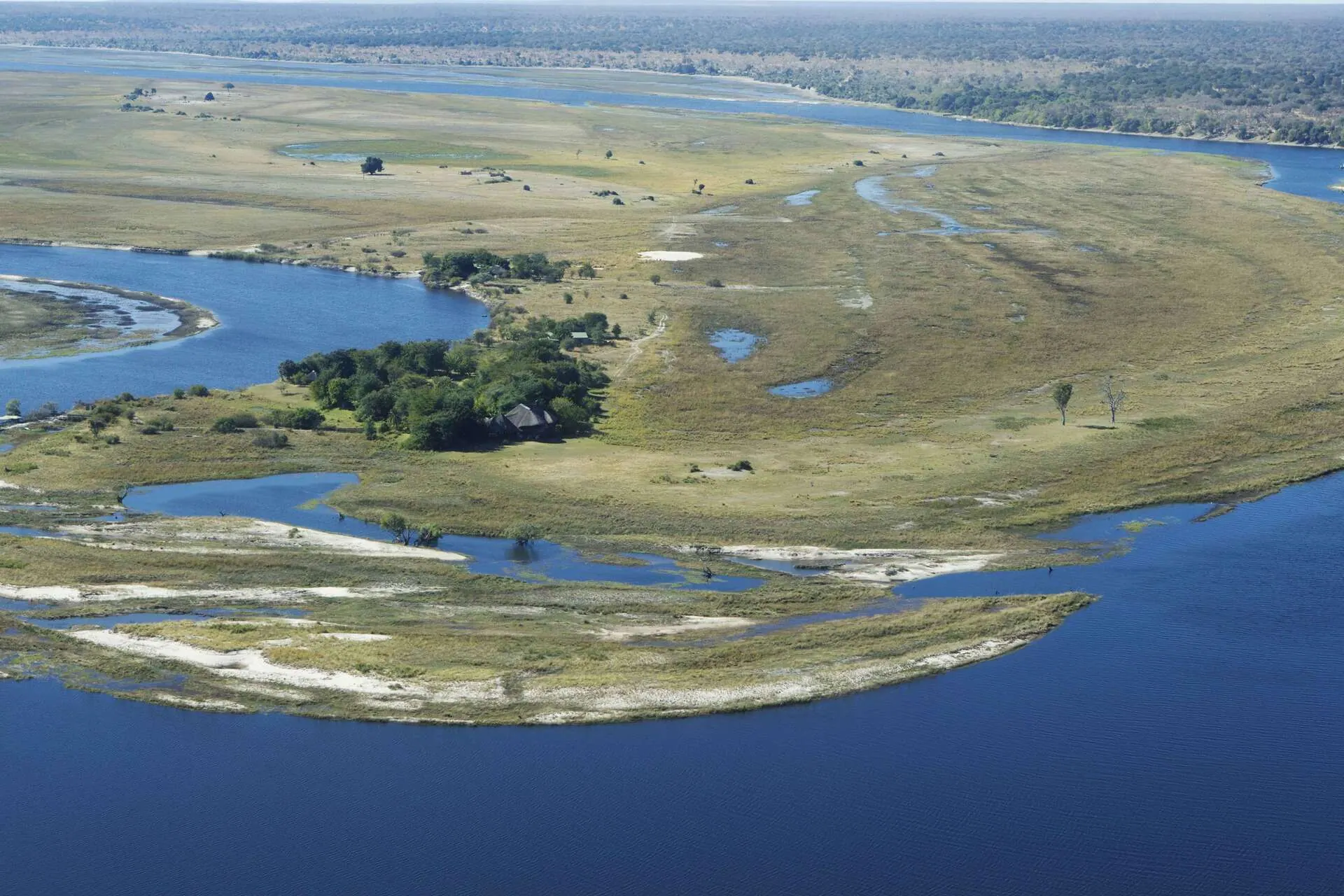
Ngorongoro Crater Safari
A Ngorongoro Crater safari treats the crater floor as one chapter, set beside the highland craters and the plains beyond. Wildlife sightings are never assured.
Roqueni & Co. shapes these journeys as tailor-made and private. For the wider country, see Tanzania.
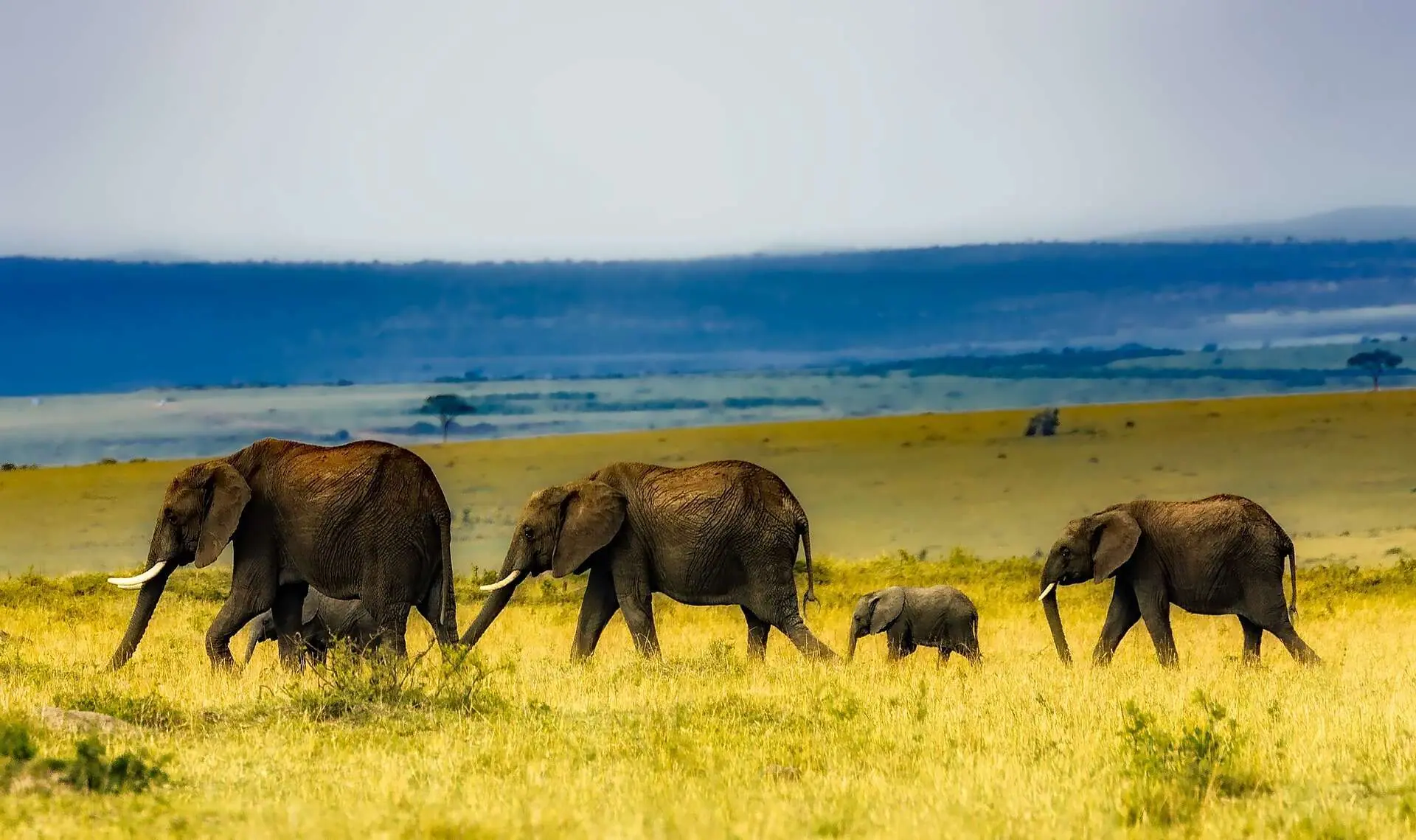
The Conservation Area and the crater
The Ngorongoro Conservation Area was established in 1959 as a multiple land-use area. According to the Ngorongoro Conservation Area Authority, it was inscribed as a World Heritage site in 1979, and the Authority's roles are to conserve natural and cultural resources, promote tourism and improve the welfare of indigenous communities.
UNESCO describes the Ngorongoro Conservation Area as a multiple land-use landscape, where wildlife shares the land with semi-nomadic Maasai pastoralists, and it is managed by the Ngorongoro Conservation Area Authority rather than Tanzania's national parks.
UNESCO cites the area's global importance for threatened species, wildlife density, the annual migration into its northern plains, and hominid footprints at Laetoli dating back 3.6 million years. UNESCO puts the Conservation Area at about 528,000 hectares, adjoining Serengeti National Park. For the park next door, see Serengeti.
The Authority describes Ngorongoro Crater as the "largest intact and unfilled volcanic caldera".
The crater floor
According to the Ngorongoro Conservation Area Authority, the crater formed about 2.5 million years ago and is about 260 km² in area, about 20 km across and 610 m deep. The Authority traces the name to the Maasai phrase "orgirra le kkorongorro", or "Big Bowl".
The Authority describes grassland, swamps, rivers and woodland on the floor, with elephant, buffalo, rhino, lion and leopard among its wildlife, and states that animals move freely in and out of the crater all year. It also states that the crater is open year-round.
Walking is not allowed inside the crater. Walks are permitted on the rim and in other parts of the Conservation Area, accompanied by an armed Authority ranger.
Rules that shape the visit
The Ngorongoro Conservation Area Authority sets the rules for the crater floor:
- Only four-wheel-drive vehicles up to 3,500 kg tare are allowed on the floor, apart from authorized trucks for organized groups.
- A licensed guide or an official Authority guide must accompany every crater visit.
- No more than five vehicles may stay at a sighting, in silence, at least 25 m from the animals, and visitors stay in their vehicles except in designated areas.
- The speed limit in the craters is 25 km/h.
- Crater service permits are single entry, and an entry permit is valid for one entry within 24 hours.
- Off-road driving is not permitted without authorization from the Conservation Commissioner.
- A hot lunch in the crater needs a permit; picnics are allowed at designated sites.
- Photographing local people is allowed only at designated cultural bomas.
Confirm crater timings for your dates with your guide when planning.
Beyond the crater: the highlands
The Authority lists attractions well beyond the crater: the Empakai and Olmoti craters, the Northern Highland Forest Reserve, Olduvai Gorge, Laetoli, the Shifting Sands, Nasera Rock, the Ndutu plains and the Gol Mountains and Sale Plains. Asilia describes a soda lake with flamingos inside Empakaai Crater.
The Authority names the Ndutu plains, inside the Conservation Area, as a calving ground for the wildebeest migration, with the herds there from the end of December until April.
Stays that show the range
- Crater rim — Ngorongoro Serena Safari Lodge.
- Olmoti highlands — Asilia The Highlands, which the operator places on the edge of the Olmoti Crater forest.
- Highlands tented — Nomad Entamanu Ngorongoro.
- Campsites — the Authority's public campsites, including Simba A, and special campsites, which must be booked in advance.
Confirm opening dates for each lodge before you book. For high-end stays across the country, see Tanzania luxury safaris.
Routing a northern Tanzania journey
Fly into Kilimanjaro or Arusha, spend time in Tarangire or Lake Manyara, continue to Ngorongoro, then go on to the Serengeti and fly out from its airstrips. Between the end of December and April, when the Authority describes the herds at Ndutu, add the Ndutu plains. Consider a night on the rim before your crater day.
For other ways to shape a journey, see Private African Safaris and African Safaris.
Practicalities
Authority. The Ngorongoro Conservation Area Authority, not Tanzania National Parks, manages the crater and the wider Conservation Area. A day that crosses from Ndutu into Serengeti National Park may carry fees from both authorities.
Fees. The Authority charges an entry permit per person and a crater service fee per vehicle, and its tariffs are subject to change without notice. Ask for current fees when planning.
Land use, Maasai residents and resettlement
UNESCO describes the Conservation Area as a multiple land-use landscape, balancing wildlife, Maasai pastoralist interests and tourism.
Human Rights Watch reported in July 2024 that relocations of Maasai from the Conservation Area to Msomera were effectively forced through coercive conditions, despite being described as voluntary. The Government of Tanzania stated in July 2024 that the programme is voluntary, participatory and respects rights, and that it responds to human–wildlife conflict and pressure on land. In a statement on 23 April 2026, UNESCO said forced evictions are unacceptable, that voluntary resettlement requires free, prior and informed consent, and recalled its 2025 call for a joint reactive monitoring mission.
FAQ
- How long should we spend in the crater?
- Crater service is single entry, and the Ngorongoro Conservation Area Authority sets the timings. Confirm them for your dates when planning.
- Can we walk in Ngorongoro?
- Not inside the crater. Walks are permitted on the rim and in other parts of the Conservation Area with an armed Authority ranger.
- Will we see rhino?
- The Authority lists rhino among the crater's wildlife, but sightings are never assured.
- Is it crowded?
- It can be. Authority rules allow no more than five vehicles at a sighting, in silence and at least 25 m from the animals. Add Olmoti or Empakaai for time away from the crater floor.
- Where should we stay?
- Choose between a lodge on the crater rim, a camp in the Olmoti highlands, or a campsite. For a Ngorongoro safari, consider pairing a rim stay with time in the highlands.
- What fees apply?
- The Ngorongoro Conservation Area Authority sets an entry permit per person and a crater service fee per vehicle, subject to change without notice. Ask for current fees when planning.
- What about the Maasai relocation debate?
- Human Rights Watch reported in 2024 that relocations to Msomera were effectively forced; the Government of Tanzania states the programme is voluntary; and UNESCO said in April 2026 that forced evictions are unacceptable and that resettlement requires free, prior and informed consent.
Whether you picture the crater floor, a walk in the highlands or a rim stay between Tarangire and the Serengeti, the next step is a conversation about place, month and pace.